
Bathtub Materials Guide
Acrylic vs. Cast Iron vs. Fiberglass Bathtubs: Which Is Best for Your MA Home?
 By Dioclecio Gomes, Founder & Owner8 min readUpdated September 24, 2026
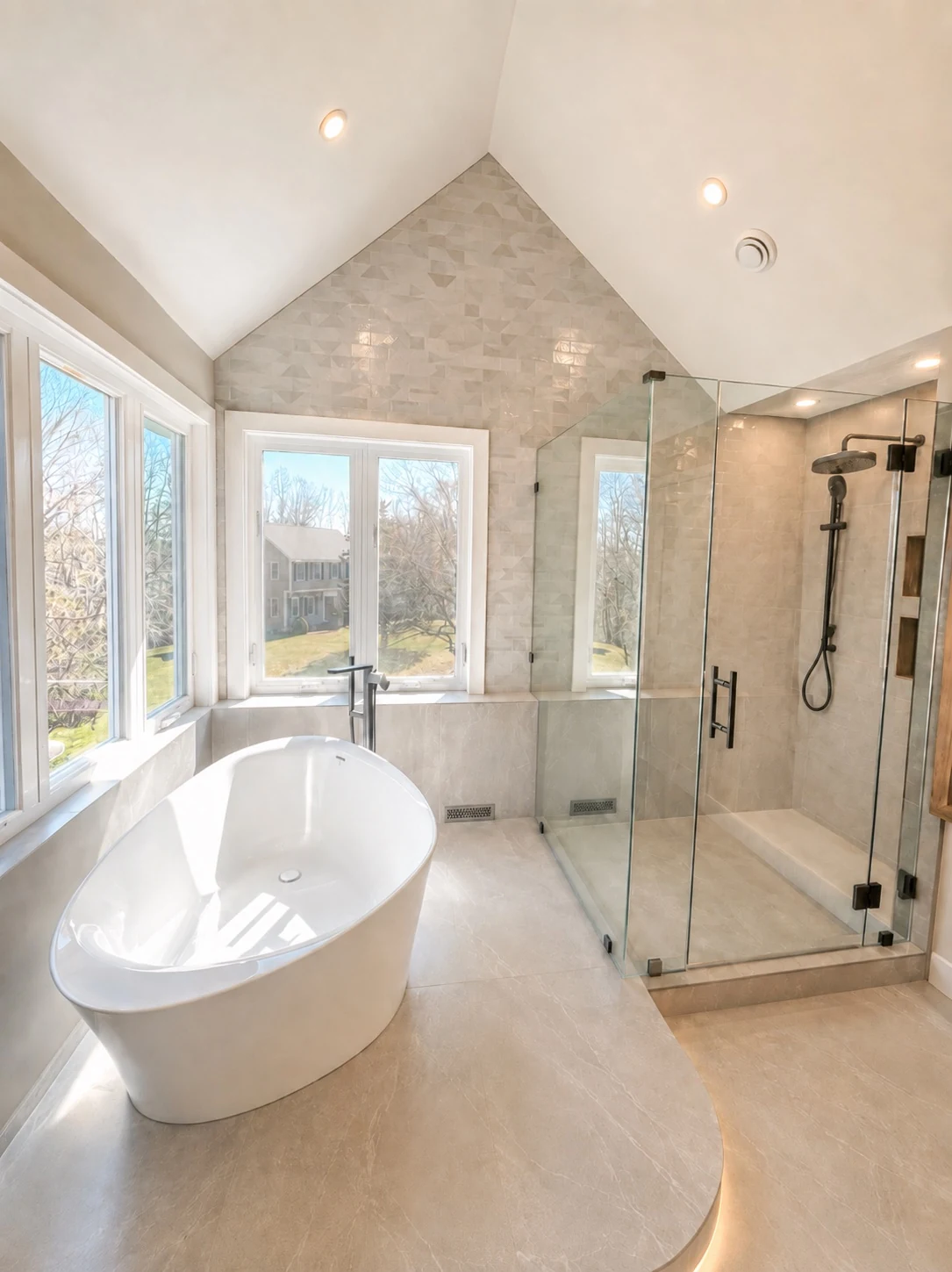
In This Guide
Acrylic is the best all-around choice for most Massachusetts homes: light enough for any floor, warm to the touch, and reasonably priced. Cast iron lasts the longest and resists scratches best, but it can weigh several hundred pounds and often needs a structural check before going in on an upper floor. Fiberglass costs the least upfront but has the shortest lifespan of the three, typically around 10 years.
If you are replacing a bathtub, the material you pick affects everything from your contractor's install day to how the tub feels twenty years from now. Acrylic, cast iron, and fiberglass bathtubs are the three materials homeowners run into most often, and each one trades off cost, weight, and durability differently. According to This Old House's bathtub buying guide, fiberglass is "the most common material used in bathtub manufacturing" today, largely because it is cheap and easy to install, while cast iron remains the material builders reach for when a tub needs to survive decades of daily use.
We have replaced bathtubs in hundreds of Central Massachusetts homes since 2003, from triple-deckers in Worcester to colonials in Framingham, and the material question comes up on almost every job. Here is what actually matters when you are choosing between the three, and how to think about it for your own bathroom.
Acrylic Bathtubs: Cost, Weight and Where They Work Best
Acrylic bathtubs are formed by heating and molding sheets of acrylic plastic, usually reinforced with a layer of fiberglass on the back for added strength. That construction makes them light enough for one or two installers to carry up a flight of stairs, and light enough that most homes never need any extra floor support to accept one.
Acrylic warms up quickly once you run the water and holds that warmth well through a bath, which is one reason it is a popular pick for households with young kids or older adults who spend more time in the tub. Bob Vila's bathtub buying guide notes that acrylic and fiberglass are "easy to install, which is why they're so attractive for DIY renovations," though a licensed installer still matters if you want the waterproofing and caulking done right.
The tradeoff is durability. Acrylic is more flexible than cast iron, so it can flex slightly under weight and is more prone to scratching from abrasive cleaners than a coated iron surface. Most acrylic tubs still hold up well for 10 to 15 years or more with normal care.
Best for: homeowners who want a warm-to-the-touch tub at a mid-range price, without any concern about floor weight limits. This is the material we install most often in bathroom remodels across Central MA.
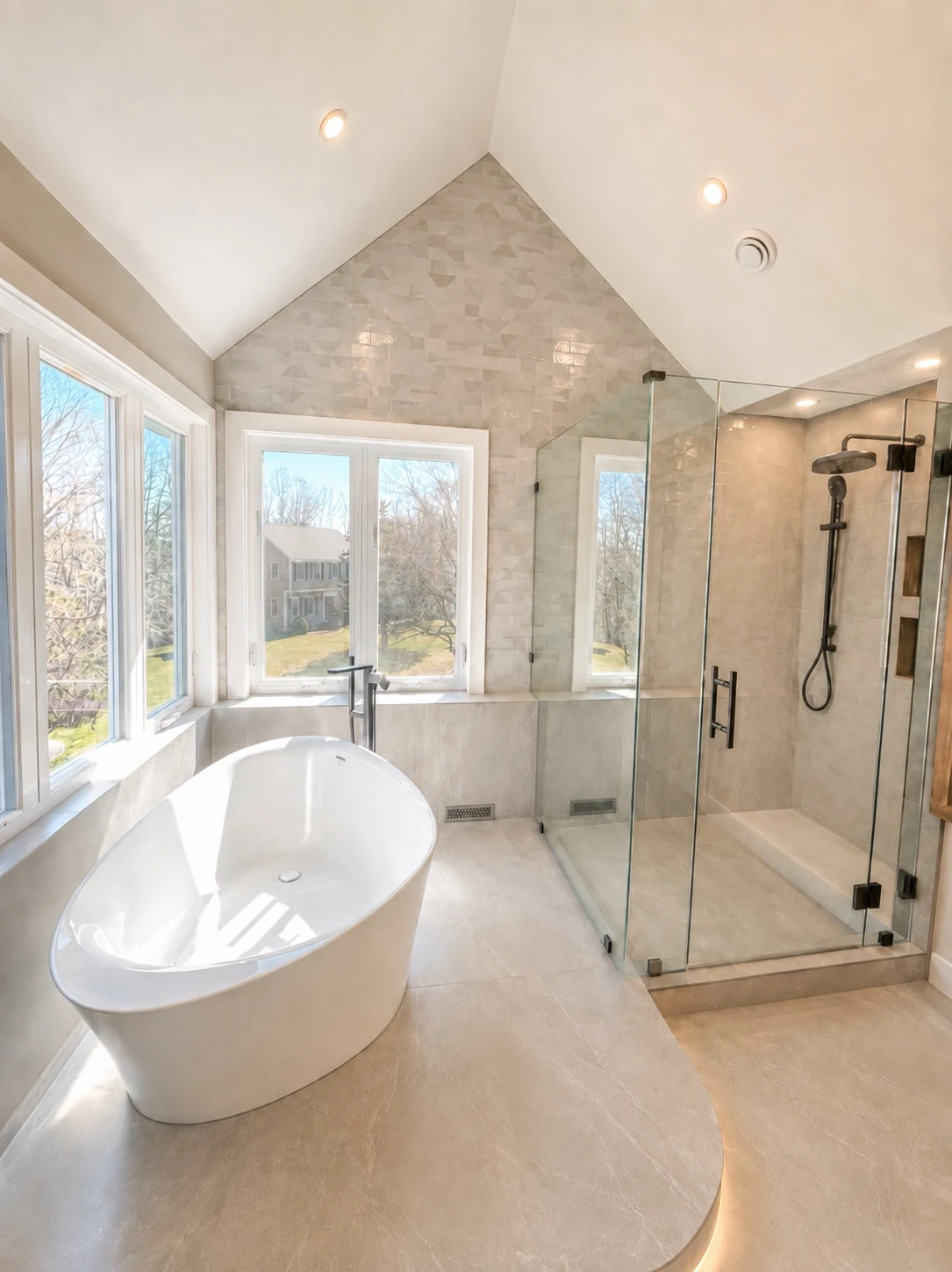
Cast Iron Bathtubs: Built to Last, Built to Weigh a Ton
Cast iron bathtubs are exactly what the name suggests: a cast iron form finished with a thick layer of enamel. That enamel coat is what gives cast iron its reputation for resisting scratches, dents, and everyday wear better than any other common tub material. This Old House notes a well-maintained cast iron tub can last around 70 years, which is why you still find original cast iron tubs in homes built well before the interstate highway system.
The catch is weight. Bob Vila's bathtub guide puts it bluntly: cast iron tubs "are incredibly heavy, sometimes requiring an entire team to maneuver one into an upstairs bathroom." Add water and a bather, and the total load climbs well past what an empty tub weighs. That is a real consideration in older New England homes, which we cover in more detail below.
Cast iron also costs more than acrylic or fiberglass, both for the tub itself and often for the labor to install it, since it usually takes more than one person and more care to move into place without damaging floors or doorways.
Best for: homeowners who want a tub that will genuinely outlast the rest of the bathroom, and whose home can support the extra weight without modification.
Fiberglass Bathtubs: The Budget-Friendly Standard
Fiberglass bathtubs are built from layers of glass fiber saturated with resin, then finished with a gel coat on the surface. It is the lightest of the three materials and the least expensive, which is why builders use it so often in starter homes, rentals, and quick tub replacements.
The tradeoff shows up over time. This Old House lists fiberglass at a typical lifespan of around 10 years, noticeably shorter than acrylic or cast iron, because the thin gel coat surface is more prone to fading, scratching, and eventually cracking with regular use. Once the gel coat is compromised, water can get underneath it, and the tub usually needs to be replaced rather than repaired.
Fiberglass is still a reasonable choice for a rental property, a bathroom you plan to remodel again within a decade, or a tight budget where getting a working tub back in place matters more than a 20-year lifespan.
Best for: budget-conscious replacements and situations where the tub does not need to last a lifetime.
Acrylic vs. Cast Iron vs. Fiberglass: Side-by-Side Comparison
| Material | Relative Cost | Weight | Typical Lifespan | Best For |
|---|---|---|---|---|
| Acrylic | Mid-range | Light | 10 to 15+ years | Most homes, any floor |
| Cast Iron | Highest | Very heavy | Up to ~70 years | Long-term durability, ground floors |
| Fiberglass | Lowest | Lightest | ~10 years | Tight budgets, short-term plans |
Lifespan figures reflect typical ranges reported by This Old House and vary based on installation quality and maintenance.
Not sure which tub fits your bathroom?
We walk you through the material options in person and give you a flat-rate quote before any demo starts.
Get My Free EstimateWhich Material Fits an Older Massachusetts Home?
Central Massachusetts has a lot of housing stock from before 1950, including the triple-deckers common around Worcester and Framingham. That matters for this decision more than most homeowners expect. Floor framing in older homes was built to the standards of its time, and it was not always designed with a several-hundred-pound cast iron tub in mind, especially on a second or third floor.
That does not rule out cast iron entirely. It means a licensed contractor should look at the floor joists and framing before you commit to one on any floor above the first, and reinforce the framing if needed. On a first-floor bathroom over a basement or a slab, weight is rarely a concern at all.
If your bathroom is on an upper floor of an older home and you are not planning any structural work, acrylic is usually the safer and simpler path. It gives you most of cast iron's comfort (a tub that feels solid and holds heat) without adding load your framing was never built to carry. We check this on every bathroom remodel before we recommend a material.
How Much Does Bathtub Replacement Cost?
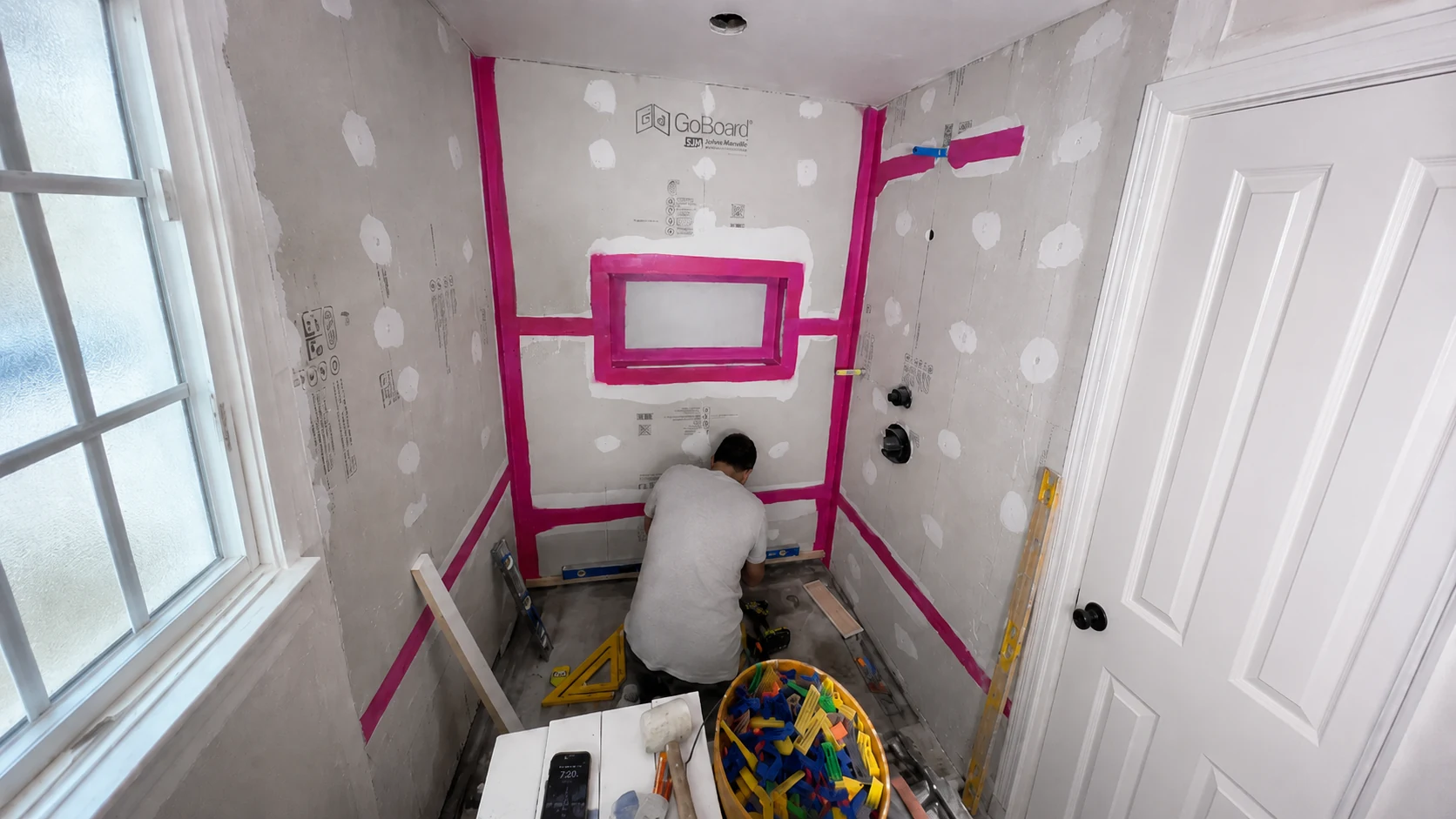
A straightforward bathtub replacement, swapping an old tub for a new acrylic or fiberglass tub in the same footprint, typically runs $3,000 to $6,000 installed here in Central Massachusetts. Upgrading to cast iron, adding a soaking tub, or finding water damage in the subfloor during demo will push that number higher. See our full bathroom remodeling page for a breakdown of costs across different project scopes.
The material itself is usually a smaller line item than most homeowners assume. Labor, waterproofing, and any needed floor or wall repair typically make up more of the total cost than the difference between an acrylic and a fiberglass tub. For a full breakdown of what different budgets actually buy, see our bathroom remodel cost guide.
If you are considering a walk-in shower instead of a tub, our shower sizes and dimensions guide covers the footprint you need, and our accessible bathroom remodeling guide covers what to prioritize if safety and aging in place are part of the decision.
The Bottom Line
For most Massachusetts homeowners, acrylic hits the best balance of cost, comfort, and weight, while cast iron is worth the investment if you want a tub that outlasts everything else in the room and your floor can support it. Fiberglass remains a fair choice when budget or a short timeline matters more than longevity. Whichever material fits your bathroom and your budget, get a licensed contractor to inspect your floor framing before installing anything heavier than what is already there. Get a Free Bathroom Estimate
FAQ
Which is better, acrylic or fiberglass bathtubs?
Acrylic is the better long-term choice for most bathrooms. It costs a bit more than fiberglass, but the surface is thicker and more flexible, so it resists cracking and holds its color longer. Fiberglass is the lower upfront cost, but it typically needs replacing sooner.
Do cast iron tubs stay warmer than acrylic tubs?
Cast iron heats up slowly at first because the metal absorbs heat, but once it warms it holds that heat for a long soak. Acrylic warms up almost immediately and also insulates well, so in practice both stay comfortably warm through a normal bath.
Can my floor handle a cast iron bathtub?
Many Massachusetts homes, especially older two and three-family houses, were framed before cast iron tubs were common upstairs. A licensed contractor should check your floor framing before you install a cast iron tub above the first floor, since the tub alone can weigh several hundred pounds before water and a bather are added.