
Heat Pump Guide
Ducted Mini Split: How It Works and When It Makes Sense
 By Dioclecio Gomes, Founder & Owner4 min readUpdated October 8, 2026
In This Guide
A ducted mini split is a heat pump with a hidden indoor air handler that pushes air through short ducts to a few adjacent rooms. Carrier says the air handler usually sits in a drop ceiling, closet, attic or crawlspace and needs only about 10 to 14 inches of vertical clearance. You get the clean look of central air, with grilles instead of wall units, without the long duct runs of a traditional system.
A ducted mini split sits between a ductless mini split and central air. The definitions below come from Carrier and Mitsubishi Electric, and the efficiency notes from the Department of Energy contractor guide. For the bigger picture, start with our heat pump guide.
What Is a Ducted Mini Split?
Carrier describes it as a system that combines the discreet look of central air with the targeted technology of a ductless mini split heat pump. An outdoor compressor connects through refrigerant lines to a concealed indoor air handler, which sends conditioned air through a short network of insulated ducts to several adjacent rooms. Only the supply and return grilles show.
Mitsubishi offers compact horizontal ducted units, multi-position air handlers and larger multi-position options for whole-home needs, and notes that ducted and ductless heads can be mixed: ducted units for larger zones, ductless units for smaller ones.
Ducted vs. Ductless Mini Split vs. Central Air
| Ducted mini split | Ductless mini split | Central ducted system | |
|---|---|---|---|
| What you see | Grilles only | A wall or ceiling unit in each zone | Grilles only |
| Ductwork | Short runs to nearby rooms | None | Full duct network |
| Indoor unit location | Drop ceiling, closet, attic or crawlspace | Inside each room | Basement, attic or closet |
| Best for | A few adjacent rooms, a concealed look | Rooms where ducts are impractical | Whole homes with good existing ducts |
Duct location matters for efficiency. The DOE guide says duct losses can be up to 30% or more when ducts are leaky, poorly insulated and run through an uninsulated attic or crawlspace. Short runs inside conditioned space keep those losses down, and ductless units avoid them entirely.

When Does a Ducted Mini Split Make Sense?
Mitsubishi recommends ducted when you can reuse existing ductwork, for example replacing an old furnace with an electric air handler and heat pump, when you want a fully concealed system, or when you need whole-home heating and cooling. It recommends ductless when adding or extending ducts is not practical, when converting an attic or a room over the garage, to keep high ceilings clear, or when the family wants several zones with their own controls.
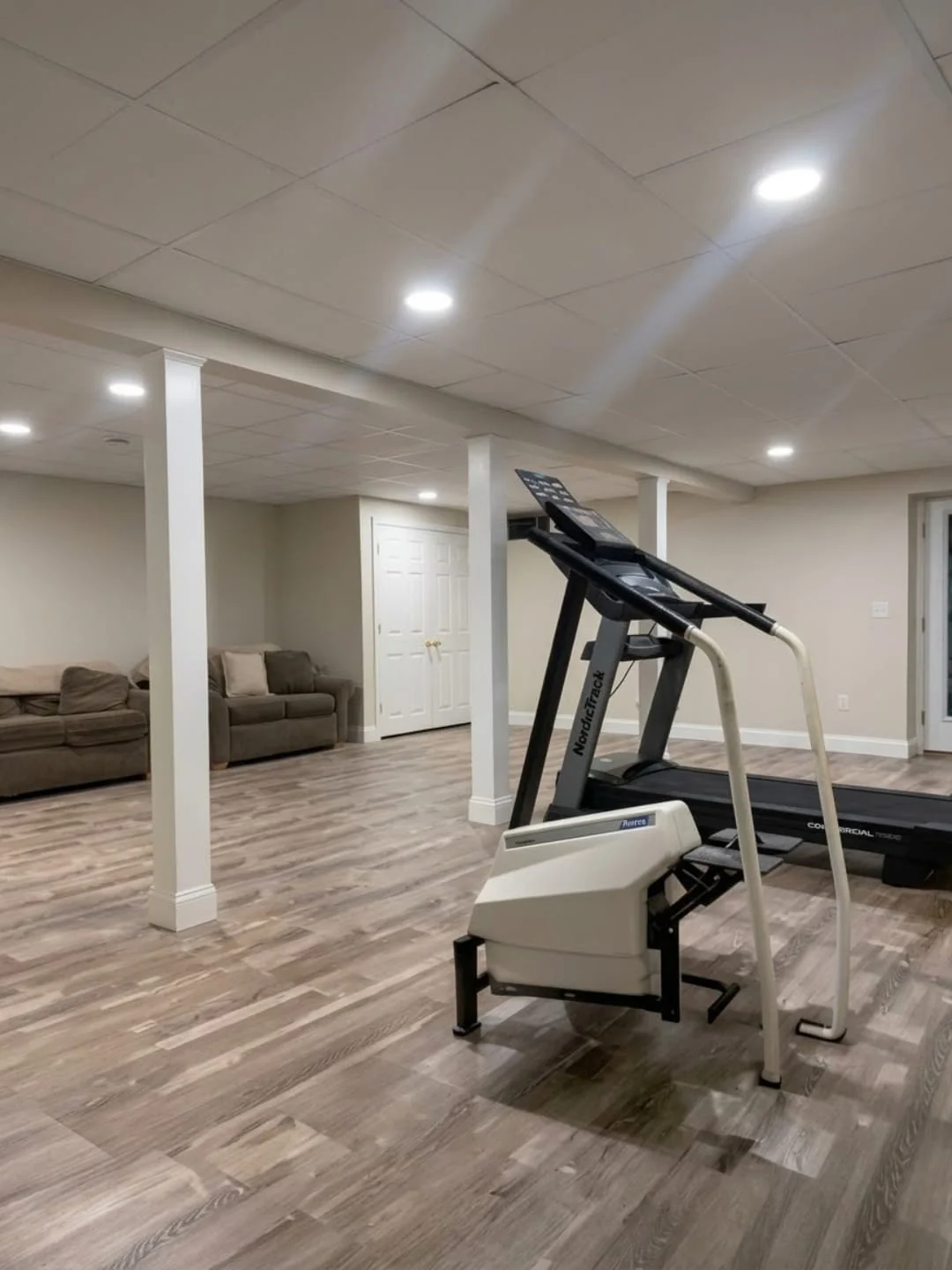
In remodeling terms, a ducted mini split often fits a finished basement with a drop ceiling, a new addition with space above the ceiling, or a second floor with attic access above it.
Thinking about a heat pump?
Heat pump installation is coming to Mr. Gomes Remodeling. Send us your details and we will reach out when we start booking in your town.
Ask About Heat PumpsHow Much Does a Mini Split Cost?
This Old House puts a single-zone mini-split at $3,250 and a whole-home air-source system at $8,007. Bob Vila gives ductless mini-splits a range of $2,000 to $14,500 depending on the number of zones. Carrier notes that a ducted mini split can cost more upfront than central air, with energy savings and rebates often offsetting the difference. Mass Save rebates are covered in our rebate guide.
How Do You Pick One for a Massachusetts Home?
Choose a model on the NEEP cold-climate list, which Mass Save and other programs reference. Those units are identified as suited to heat efficiently at 5°F and below without supplementary electric heat. The DOE guide notes the most efficient mini-splits use a variable-speed compressor, with heating efficiencies as high as 12 HSPF and cooling as high as SEER 26. Have the system sized properly: Carrier warns that oversizing causes short-cycling, and filters need cleaning or replacing every one to three months.
The Bottom Line
A ducted mini split gives a few rooms quiet, concealed heating and cooling with short ducts. Pick a cold-climate listed model, size it properly and plan the air handler location before the ceilings close up. Ask About Heat Pumps
FAQ
What is the difference between a ducted and ductless mini split?
A ducted mini split hides the air handler in a ceiling, closet, attic or crawlspace and uses short ducts with grilles. A ductless mini split puts a visible unit in each room and uses no ducts at all.
How much space does a ducted mini split air handler need?
Carrier says about 10 to 14 inches of vertical clearance, typically in a drop ceiling, closet, attic or crawlspace.
Can one ducted mini split heat a whole house?
It is designed for several adjacent rooms. Mitsubishi offers larger multi-position air handlers for whole-home needs and suggests mixing ducted and ductless units when zones differ in size.
Are ducted mini splits efficient?
Short duct runs inside conditioned space limit the losses the DOE guide warns about, which can reach 30% or more with leaky ducts in an unheated attic. Cold-climate models with variable-speed compressors are the most efficient.