
Heat Pump Guide
Heat Pumps in Massachusetts: A Homeowner Guide
 By Dioclecio Gomes, Founder & Owner4 min readUpdated October 8, 2026

In This Guide
A heat pump heats and cools a home by moving heat instead of burning fuel. The U.S. Department of Energy says modern air-source heat pumps can reduce electricity use by 50% compared to furnaces and baseboard heaters, and cold-climate models are built to keep heating at 5°F and below. This Old House puts a typical central heat pump installation at $10,575, before any Mass Save rebate.
This guide covers what Massachusetts homeowners ask most about heat pumps: how they work, which type fits which house, what they cost and which incentives still apply in 2026. Every figure links to its source, mostly the U.S. Department of Energy, NEEP and This Old House.
What Is a Heat Pump?
The Department of Energy explains it with a refrigerator: heat pumps use electricity to move heat from a cool space to a warm space. In winter they pull heat from the outdoor air into the house, and in summer they reverse and push heat out, so one system replaces both the furnace and the air conditioner.
Heat pumps deliver air at about 80°F to 115°F, while gas or oil furnaces deliver it at 130°F to 140°F, according to the DOE contractor guide. That is why a heat pump runs longer at a gentler temperature, and why register placement matters.
What Types of Heat Pumps Are There?
- Ducted (central) air-source: an outdoor unit and an indoor air handler that use ducts, like a forced-air furnace. A good fit when the house already has decent ductwork.
- Ductless mini-split: one outdoor unit feeding wall or ceiling units in each zone, with no ducts. The DOE guide says up to eight indoor units can connect to one outdoor unit.
- Ducted mini-split: a concealed air handler with short duct runs that serves a few adjacent rooms. See our ducted mini split guide.
- Geothermal: uses the ground instead of the outdoor air. DOE says geothermal systems can reduce energy use by 30% to 60%, and This Old House prices them from $17,000.
Do Heat Pumps Work in Massachusetts Winters?
Yes, if you pick a cold-climate model. The Department of Energy notes that heat pumps, once limited to mild climates, are now a legitimate option for colder regions. NEEP keeps the cold-climate air source heat pump (ccASHP) product list that efficiency programs such as Mass Save reference, and it identifies units suited to heat efficiently down to 5°F and below without supplementary electric heat.
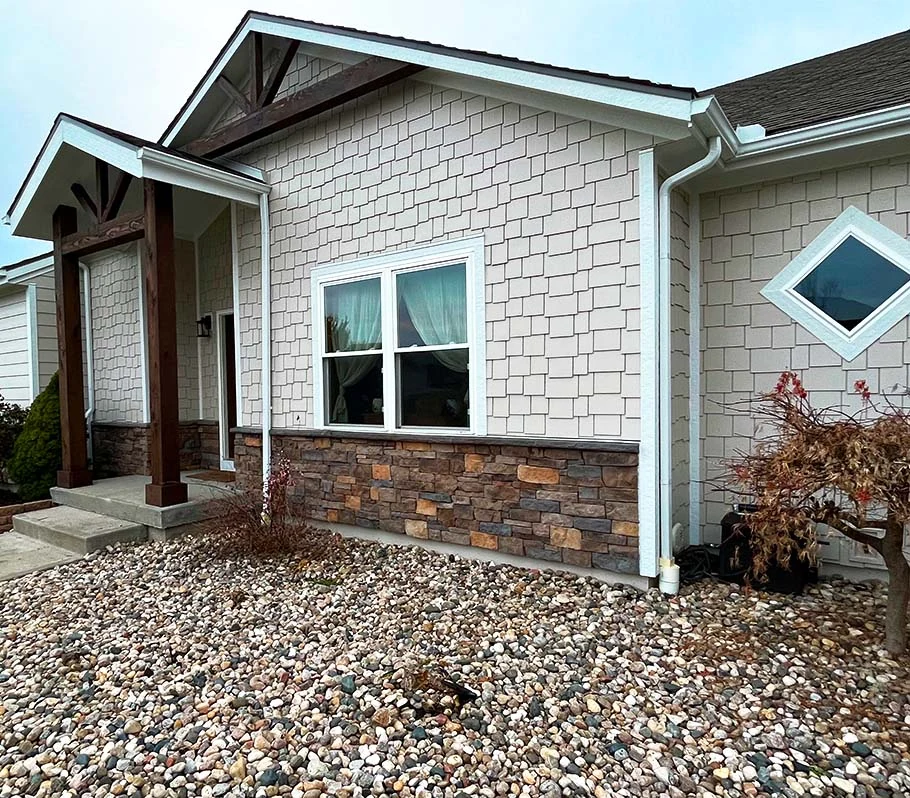
Fresh air matters too. As homes get tighter with new windows, siding and insulation, a balanced ventilator keeps the air healthy. See our ERV vs. HRV guide.
How Much Does a Heat Pump Cost?
| System (This Old House, 2026) | Typical installed cost |
|---|---|
| Central heat pump (average) | $10,575 |
| Air-source, whole home | $8,007 |
| Mini-split, single zone | $3,250 |
| Geothermal, small or medium home | $17,000 |
Compare that with a new furnace in our heat pump vs. furnace cost guide.
Thinking about a heat pump?
Heat pump installation is coming to Mr. Gomes Remodeling. Send us your details and we will reach out when we start booking in your town.
Ask About Heat PumpsWhich Rebates and Tax Credits Still Apply in 2026?
The federal energy efficient home improvement credit is gone for new installs. The IRS says it covered qualifying property placed in service before December 31, 2025. In Massachusetts, the main incentive is now Mass Save, which lists whole-home air source heat pump rebates of $2,650 per ton, up to $8,500, and income-based enhanced incentives of up to $16,000. Details and the other tiers are in our Mass Save rebate guide.
Should You Replace an Old Furnace With a Heat Pump?
The DOE contractor guide gives a simple rule: if repairs would cost more than half the price of a new system, replace it. If your furnace is less than 15 to 20 years old and you plan to keep it, ask about improving its efficiency first. Our furnace lifespan guide covers the warning signs.
Heat Pumps at Mr. Gomes Remodeling
We are a family-owned remodeling contractor in Northborough, licensed in Massachusetts (CSL #CS-085498, HIC Reg. #654604), and we are preparing to add heat pump installation. Until then, these guides are here to help you plan. If you are planning a basement finish, an addition or new windows now, mention heat pumps during your free estimate and we will keep you posted.
The Bottom Line
A cold-climate heat pump can heat and cool a Massachusetts home with one system. Check the NEEP cold-climate list, compare installed prices, and confirm the current Mass Save rebate before you sign. Ask About Heat Pumps
FAQ
Do heat pumps work when it is below freezing?
Cold-climate models do. NEEP identifies units suited to heat efficiently at 5°F and below without supplementary electric heat, and the Department of Energy calls heat pumps a legitimate option for colder regions.
How much electricity does a heat pump save?
The Department of Energy says modern air-source heat pumps can reduce electricity use by 50% compared to furnaces and baseboard heaters. This Old House cites typical utility bill savings of $300 to $650 a year.
Is there still a federal tax credit for heat pumps?
Not for new installs. The IRS says the energy efficient home improvement credit covered qualifying property placed in service before December 31, 2025. Mass Save rebates still apply in Massachusetts.
How long does a heat pump last?
This Old House says heat pumps typically last around 15 years.
Does Mr. Gomes Remodeling install heat pumps?
Not yet. We are preparing to add heat pump installation. Send us your details through the estimate form and we will reach out when we start booking.